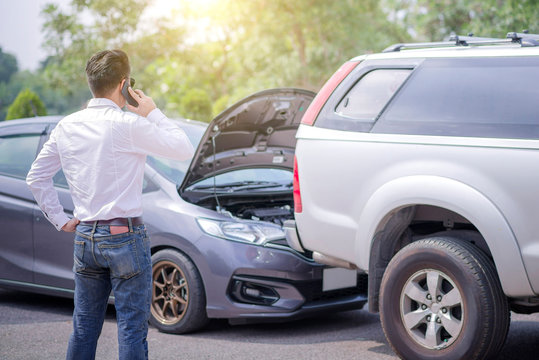
Car crashes happen in the blink of an eye, yet the damage they leave behind can be overwhelming. While we often see dented doors, shattered windshields, or bent bumpers, there’s a lot more happening beneath the surface. Modern vehicles are designed to protect drivers and passengers through complex engineering, but this same design means that even a seemingly “minor” accident can cause serious underlying issues. Understanding what really happens to your car in a crash helps you make informed decisions about safety, repairs, and insurance.
The Immediate Impact: Energy Transfer
When two vehicles collide, the energy from the crash has to go somewhere. Instead of being absorbed entirely by the occupants, modern vehicles are engineered with crumple zones—specific areas of the car that deform on impact. These zones sacrifice themselves to absorb energy and reduce the force reaching passengers.
This is why you often see the front or rear of a car heavily damaged while the cabin, where people sit, appears mostly intact. The energy transfer saves lives, but it can leave the car itself with severe structural issues that aren’t always visible to the naked eye.
Visible Damage: What You Can See
The most noticeable effects of a car crash often show up on the surface of your vehicle. These may include:
- Body Panel Damage – Dents, scrapes, and bent metal, especially around bumpers, doors, or fenders.
- Shattered or Cracked Glass – Windows, mirrors, and windshields are especially vulnerable. If your windshield is damaged, it’s important to get it replaced promptly—services for windshield replacement in Logan make it convenient to restore both safety and visibility.
- Lighting Issues – Headlights and taillights are frequently broken or misaligned after a collision.
- Paint Damage – Even small fender benders can leave behind scratches or paint transfer.
Although these visible problems may look significant, most can be repaired by a qualified technician. Still, it’s important to remember that what you see on the outside is only part of the story—hidden structural or mechanical issues often linger beneath the surface.
Hidden Damage: What Lies Beneath
After a crash, some of the most expensive and dangerous problems are those you can’t see right away.
- Frame Damage – The vehicle’s frame is its backbone. If bent or twisted, it can affect alignment, safety, and even the way airbags deploy. A car with major frame damage may be considered a total loss.
- Suspension Issues – Impacts can bend control arms, struts, and shocks, leading to poor handling and uneven tire wear.
- Engine and Transmission Damage – Even a front-end collision at low speed can jolt the engine or crack vital components.
- Electrical Problems – Modern cars have sensitive wiring for airbags, sensors, and cameras. A damaged sensor could fail to deploy an airbag in a future crash.
- Cooling System Leaks – Radiators, hoses, or the air conditioning system may develop leaks that aren’t obvious until later.
These hidden issues highlight why professional inspections are essential, even if the car “looks fine.”
Safety Features in Action
Modern vehicles are equipped with advanced safety systems that react instantly in a crash. These include:
- Airbags – Deploy within milliseconds to protect occupants.
- Seatbelt Pretensioners – Tighten to hold passengers firmly in place.
- Crash Sensors – Detect the severity and angle of impact, ensuring the right airbags deploy.
After deployment, these systems often need to be replaced entirely. Even if airbags don’t deploy, the sensors may require recalibration to ensure proper function in the future.
The Financial Side of Crash Damage
When insurance companies assess your vehicle after a crash, they look at repair costs versus vehicle value. If the cost to repair exceeds a certain percentage of the car’s market value, it may be deemed a “total loss.” This doesn’t always mean the car is unrepairable—it just isn’t financially practical.
Common factors insurance adjusters consider include:
- Severity of frame damage
- Cost of parts and labor
- Age and condition of the vehicle
- Safety of restoring the car
What to Do After a Crash
If you’ve been in a collision, here are a few important steps to take regarding your vehicle:
- Don’t Drive It Immediately – Even if the car starts, hidden damage could make it unsafe.
- Get a Professional Inspection – A certified mechanic or body shop can identify issues you might miss.
- Document the Damage – Take clear photos for insurance purposes.
- Contact Your Insurance Provider – Report the accident promptly to start the claims process.
- Consider Safety First – If repairs compromise the structural integrity, replacement may be the better option.
Final Thoughts
A car crash is more than just a dented bumper or cracked windshield. Beneath the surface, the collision can impact critical systems that affect safety, performance, and long-term reliability. While modern engineering prioritizes protecting people, the car itself often absorbs the brunt of the damage.
By understanding what really happens to your car in a crash—and by seeking thorough inspections—you can make smarter choices about repairs, insurance claims, and whether to fix or replace your vehicle. Ultimately, while cars can be repaired or replaced, your safety should always come first.

