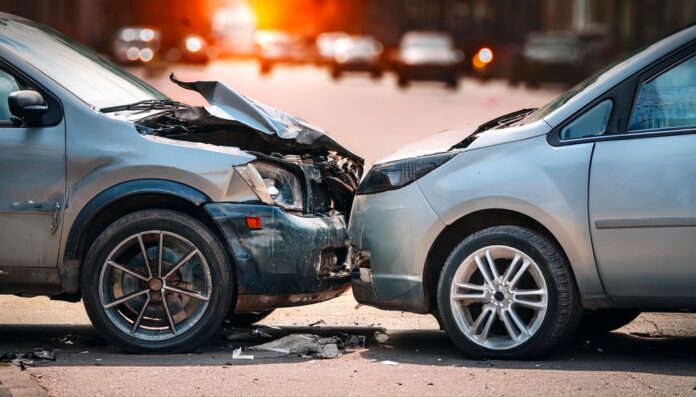
Head-on collisions are among the most devastating types of car accidents, often resulting in catastrophic injuries or fatalities. While reckless driving and distraction are frequent causes, road design flaws also play a significant role in creating conditions where these crashes are more likely to occur. Poor planning, inadequate signage, and insufficient safety features can all transform an ordinary roadway into a high-risk zone.
Understanding how road design contributes to these tragedies not only highlights the importance of safe infrastructure but also empowers accident victims to pursue justice. When negligent design or maintenance is a factor, liability may extend beyond drivers to municipalities, contractors, or other responsible parties.
Narrow or Unmarked Lanes
One of the most common contributors to head-on collisions is the presence of narrow lanes. Without sufficient room to maneuver, even minor swerves can push vehicles into oncoming traffic. Narrow lanes are particularly dangerous on rural highways and older roads that were built before modern safety standards were adopted.
The risk is magnified when lane markings are faded or missing altogether. Drivers depend on these visual guides to stay within their lane, especially at night or during inclement weather. A road with inadequate markings increases the likelihood of unintentional lane drifting, which can result in a deadly head-on crash.
Missing or Inadequate Medians
Medians serve as physical barriers that separate opposing traffic, drastically reducing the likelihood of head-on crashes. Unfortunately, many roads in Oklahoma still lack these protective features. Without them, a single distracted or impaired driver can easily cross into oncoming lanes, often with fatal results.
Even when medians are present, their effectiveness depends on design. Low curbs or grassy strips may not be strong enough to prevent crossover crashes. In contrast, reinforced concrete barriers and cable guardrails can stop vehicles and significantly reduce the severity of accidents.
Poor Signage and Warnings
Warning signs play a critical role in alerting drivers to potential hazards such as curves, intersections, or lane shifts. When signs are missing, blocked by overgrown vegetation, or difficult to read, drivers may fail to adjust their behavior in time to prevent a collision. This is especially dangerous in high-speed areas where reaction times are already limited.
Construction zones are another problem area. Poorly placed or confusing temporary signage can misdirect drivers, putting them directly in harm’s way. Investing in clear, reflective, and strategically placed signs is a simple yet highly effective way to reduce head-on collisions.
Dangerous Intersections
Improperly designed intersections are notorious for contributing to head-on crashes. Poor sightlines, inadequate traffic signals, or poorly timed lights can confuse drivers and increase the chance of misjudging gaps in traffic. When two vehicles attempt to use the same lane of travel simultaneously, the result can be catastrophic.
One of the most dangerous situations occurs at intersections without left-turn signals. Drivers may attempt to turn across multiple lanes of oncoming traffic, miscalculate the timing, and cause a direct collision. Adding protected turn lanes and better lighting can drastically reduce these risks.
Sharp Curves and Blind Spots
Sharp curves and blind spots create particularly dangerous conditions for drivers. When vehicles cannot see what’s coming until the last second, they have little time to react. On roads with high speed limits, these conditions can lead to devastating head-on crashes.
Banked curves, guardrails, and strategically placed mirrors can reduce these risks, but many roads lack these features. When municipalities fail to address dangerous curves, they leave drivers vulnerable to accidents that could have been prevented with better engineering.
Insufficient Lighting
Driving at night is already challenging, but poorly lit roads amplify the dangers. Without proper streetlights, drivers struggle to see lane boundaries, pedestrians, and oncoming vehicles. Rural highways in particular are prone to deadly head-on crashes due to inadequate lighting.
Proper illumination is more than just a convenience—it’s a life-saving safety measure. Studies show that well-lit roads significantly reduce nighttime crashes. Despite this, many communities neglect lighting maintenance or avoid upgrades due to cost concerns, leaving drivers at greater risk.
Inadequate Shoulder Space
Wide, well-maintained shoulders provide drivers with a safety buffer. They allow space for correcting mistakes, avoiding obstacles, or pulling over in an emergency. When shoulders are too narrow—or missing altogether—drivers have no margin for error. A simple drift out of the lane can force a driver into oncoming traffic.
Shoulders also provide safe areas for broken-down vehicles. Without them, stranded motorists remain dangerously close to moving traffic, increasing the chance of head-on collisions. Properly designed shoulders are a critical yet often overlooked part of road safety.
Understanding the Legal Consequences of Flaws in Road Design
When head-on crashes result from poor road design, responsibility may extend beyond the drivers involved. Municipalities, state agencies, and contractors can all be held accountable if unsafe infrastructure played a role. Proving liability in these cases often requires expert testimony from engineers and accident reconstruction specialists.
Victims should not assume they are powerless when infrastructure is a factor. Working with an experienced Oklahoma City car crash law firm can make all the difference. Skilled attorneys understand how to identify design flaws, gather evidence, and hold the appropriate parties accountable for negligence.
Constructing More Secure Roads for the Future
Preventing head-on crashes requires more than just encouraging safe driving—it demands better infrastructure. Installing concrete barriers, improving lighting, repainting lane markings, and modernizing intersections are all proven strategies for saving lives. Communities that invest in safer roads see measurable reductions in fatal crashes.
For victims, recognizing that a road design flaw contributed to their accident is the first step toward justice. Pursuing claims against negligent municipalities or contractors not only provides compensation but also pressures communities to prioritize safety improvements. In this way, victims’ voices can help create safer roads for everyone.

