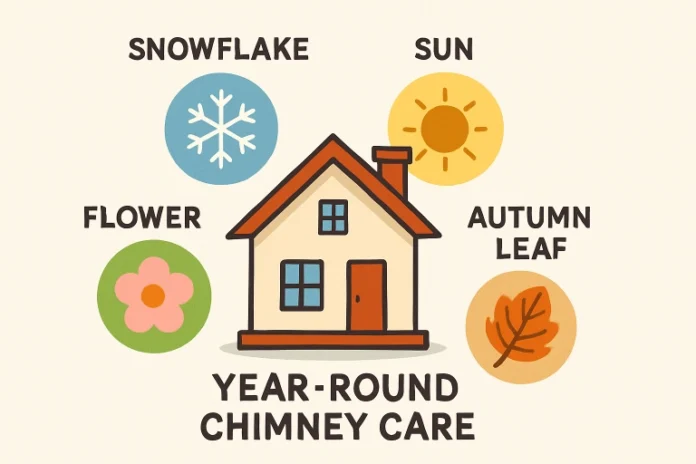
Year-round chimney maintenance is a fundamental aspect of home safety and comfort. Homeowners often overlook their chimneys outside of the winter months, but regular maintenance is essential to prevent hazards such as fires, inefficiency, and costly repairs. Each season brings unique challenges, from heavy fireplace usage in winter to moisture and animal intrusion during warmer months. No matter the time of year, being proactive can save you money and help protect your home and family. Residents seeking support can rely on expert Atlanta chimney cleaning services to effectively address seasonal maintenance needs.
Maintaining your chimney is about more than cleanliness—it’s a crucial practice for preventing dangerous buildups, protecting structural integrity, and ensuring safe operation. By sticking to a clear seasonal schedule, you’ll better manage creosote risk, keep pests away, and prepare extensively for the months of heaviest use. This proactive approach not only safeguards your property but also prolongs the lifespan of your chimney system, providing reliable warmth when you need it most.
A well-maintained chimney is key to reducing the risk of carbon monoxide exposure and house fires, issues that affect thousands of homeowners annually. Follow these tips and strategies to make sure your fireplace remains a safe centerpiece in your home.
Consistent upkeep and proper burning techniques, along with the right safety accessories, will help you enjoy your hearth worry-free. Thoughtful attention in each season builds peace of mind and a healthier living environment year-round.
Table of Contents
Winter: Managing Heavy Usage
Cold weather means increased use of fireplaces or stoves, which accelerates the buildup of creosote and soot. These byproducts are a leading cause of chimney fires and require special attention during the winter months:
- Schedule Inspection and Cleaning: Have a certified chimney sweep inspect and clean your system before or at the start of winter. Removing creosote and debris significantly reduces fire risk. The Chimney Safety Institute of America recommends annual professional cleanings for homes that use their fireplaces regularly.
- Burn Only Dry, Seasoned Wood: Hardwoods like oak, hickory, and maple burn hot and efficiently, producing less residue than softer woods or green, damp logs. Properly seasoned firewood helps keep your chimney cleaner for longer periods.
- Control Fire Size: Avoid cramming your fireplace with wood. Smaller, cleaner-burning fires put less strain on your chimney and are easier to manage safely.
Spring: Addressing Moisture and Damage
Winter’s freeze-thaw cycles can take a toll on your chimney’s structural components, so spring is the ideal time to inspect and repair:
- Look for Water Damage: Check for musty smells, rust on damper parts, or water stains around your chimney. Moisture ingress can deteriorate mortar and bricks, leading to costly repairs if ignored. If you notice these warning signs, seek professional advice promptly.
- Inspect Masonry and Mortar Joints: Use a flashlight to spot any cracks, crumbling, or loose bricks. Spalling bricks (those with flaking surfaces) suggest water penetration and should be repaired to prevent structural damage.
- Assess the Chimney Cap and Flashing: Ensure the chimney cap is undamaged and properly fitted to prevent rain and animal entry. Also, inspect the metal flashing at the roofline for signs of wear.
Summer: Preventing Pests and Odors
During the off-season, chimneys are vulnerable to animals seeking sanctuary and to foul odors triggered by heat and humidity:
- Block Pest Entry: Birds, squirrels, and raccoons are common invaders. Install a chimney cap with secure mesh, and maintain it each spring and summer to keep wildlife and debris out.
- Fight Odors: Residual creosote and soot can emit strong smells, especially on humid days. Schedule a mid-year cleaning if necessary. Place open containers of baking soda or activated charcoal in the firebox to neutralize unwanted odors.
- Ventilation Control: Always keep the damper fully closed when not in use to prevent outside air—and humidity—from entering and worsening chimney odors.
Autumn: Preparing for the Heating Season
Autumn maintenance is crucial to ensure your chimney is ready for its busiest time of year:
- Schedule a Professional Inspection: A sweep and inspection in early fall can help you identify and address any issues before lighting the season’s first fire.
- Check the Structure: Be sure to examine for cracked or missing bricks, loose flashing, and damaged caps. Address these issues urgently before repeated exposure to cold and wet weather worsens them.
- Test All Detectors: With increased fireplace use, properly working smoke and carbon monoxide detectors are essential safety tools. Replace batteries and test devices regularly.
Also Read : What Every Dog Owner Should Know About Phosphorus Bone Meal
General Chimney Safety Tips
Adopting safe habits is essential, regardless of the season:
- Use Only Proper Fuel: Never burn trash, treated wood, or other inappropriate materials that can generate toxic fumes and worsen creosote buildup.
- Maintain a Clear Zone: Always keep combustibles—such as carpets, curtains, or furniture—at least three feet away from the hearth.
- Install and Maintain a Chimney Cap: Regularly inspect your cap for damage to stay ahead of animal or debris intrusions. Caps are inexpensive and highly effective safety additions.
- Ensure Detector Functionality: Smoke and carbon monoxide alarms provide critical early warnings. Schedule monthly checks and annual battery replacements as part of your home safety routine.
By staying consistent with these practices and remaining attentive to seasonal needs, you ensure your chimney system always operates safely and efficiently—giving your home safe, reliable warmth season after season.

