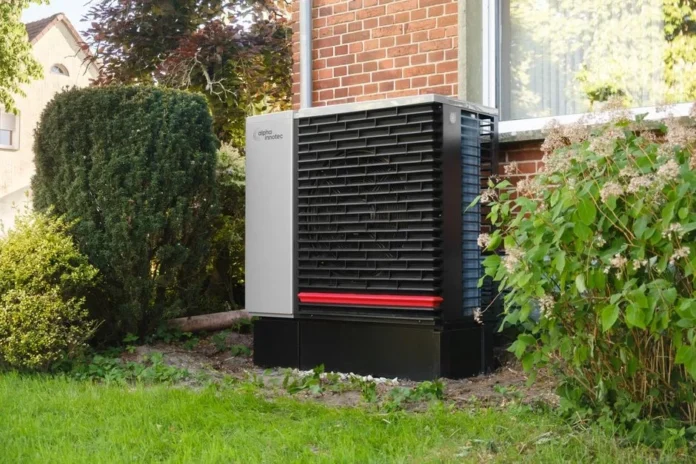
Living in Atlantic Beach, NC, we know the unique challenges our coastal environment poses for home comfort. The salt air and high humidity can take a toll on essential systems, especially your heat pump. When your heat pump struggles, it’s more than just an inconvenience; it impacts your home’s air quality and energy bills. That’s why understanding and securing affordable heat pump repair in Atlantic Beach, NC, is so vital, often requiring specialized coastal HVAC repair. This comprehensive guide will explore common issues, maintenance tips, and what to look for in reliable repair services to keep your system running smoothly.
Table of Contents
To delve deeper into comprehensive HVAC solutions for coastal living, explore our [Pillar Page] and for immediate assistance, visit our [Conversion Page].
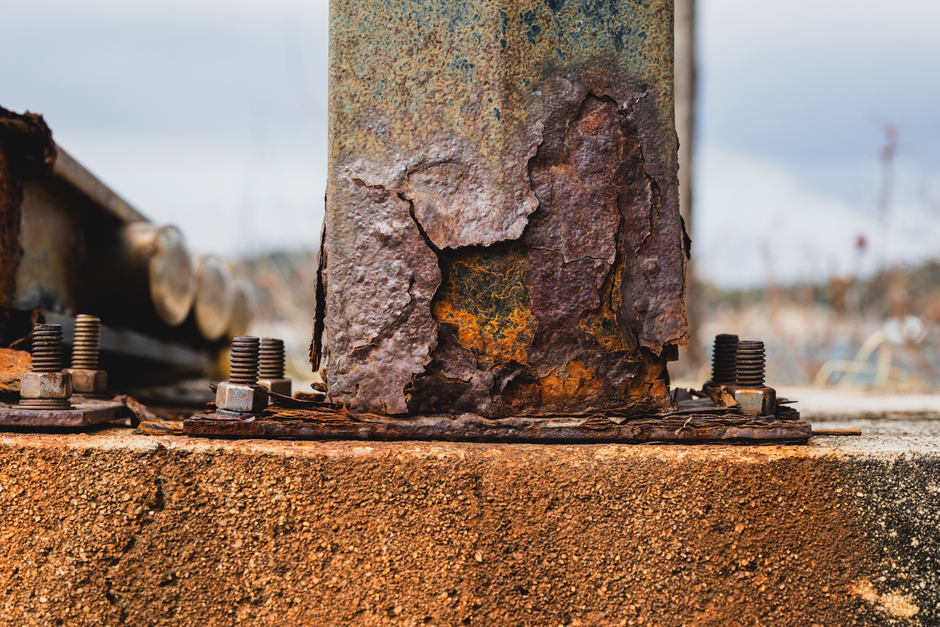
Homeowners in Atlantic Beach, NC, face a unique set of environmental factors that significantly impact the performance and longevity of their heat pump systems. The very elements that make our coastal community so desirable – the salty ocean air, high humidity, and occasional wind-blown sand – are precisely what accelerate the wear and tear on HVAC equipment. These conditions contribute to issues like coil degradation, reduced efficiency, and a shortened system lifespan, which in coastal environments like ours, typically ranges from 10 to 12 years. This is a stark contrast to inland areas, where systems often last longer. Effective moisture management and proactive protection are therefore paramount for any heat pump operating in this region.
The Impact of Salt Spray on Coastal HVAC Systems
The pervasive salt spray is arguably the most destructive force acting on coastal heat pumps. This fine mist carries microscopic salt particles that settle on outdoor units, particularly the condenser coils. Over time, these salt deposits facilitate a process known as galvanic corrosion. This occurs when dissimilar metals, such as the aluminum fins and copper tubing commonly found in heat pump coils, are exposed to an electrolyte (in this case, saltwater). The salt acts as a catalyst, accelerating the electrochemical reaction that leads to metal degradation.
As corrosion progresses, the delicate fins on the condenser coil begin to deteriorate, becoming brittle and flaking away. This damage directly reduces the coil’s ability to transfer heat efficiently, forcing the heat pump to work harder to achieve desired temperatures. The result is not only increased energy consumption and higher utility bills but also added stress on the compressor, which can lead to premature system failure. Without proper preventative measures and regular cleaning, a heat pump in Atlantic Beach can quickly succumb to these corrosive effects, necessitating costly repairs or even early replacement.
Humidity and Mold Growth in Marine Climates
Beyond salt, the consistently high humidity levels characteristic of Atlantic Beach also pose significant challenges for heat pump systems. While heat pumps are designed to dehumidify as part of their cooling cycle, the sheer volume of moisture in the air can overwhelm systems if not properly managed. This excess humidity creates an ideal breeding ground for mold and mildew, particularly within the indoor unit’s evaporator coils and the condensate drain lines.
The evaporator coils, responsible for absorbing heat and moisture from your indoor air, can become coated with a slimy buildup of mold and algae. This biological growth acts as an insulating layer, impeding heat transfer and reducing the system’s cooling and dehumidifying capacity. Furthermore, these organisms can clog the condensate drain lines, leading to water backups, leaks, and potential water damage within your home.
The presence of mold and mildew within the HVAC system also has direct implications for indoor air quality. Spores can be circulated throughout the home, triggering allergies, respiratory issues, and producing unpleasant, musty odors. Regular maintenance is crucial to combat these issues, ensuring that drain lines remain clear and coils are clean, thus preserving indoor air quality and system efficiency.
Essential Maintenance for Coastal HVAC Systems
Given the demanding coastal environment of Atlantic Beach, NC, a proactive approach to heat pump maintenance is not merely recommended—it’s essential. Regular maintenance helps mitigate the corrosive effects of salt air and high humidity, ensuring your system operates efficiently and reliably. This includes vital tasks such as coil rinsing, debris removal, and consistent filter replacement. Professional tune-ups, ideally performed twice a year, are critical for identifying and addressing minor issues before they escalate into major, expensive repairs. We generally recommend servicing HVAC systems each spring and fall to prevent small issues from becoming big problems, a best practice that significantly extends the life of your unit.
Many homeowners find that enrolling in a comprehensive maintenance plan, often referred to as a comfort or advantage club, provides peace of mind. These plans typically include scheduled inspections and preferential service, helping to keep your heat pump in peak condition year-round.
Here’s a comparison of key maintenance tasks for spring and fall:
Maintenance Task Spring (Pre-Cooling Season) Fall (Pre-Heating Season) Outdoor Unit Inspect and rinse condenser coils, check fan motor, clear debris. Inspect and clean outdoor unit, check for corrosion, clear debris. Indoor Unit Clean evaporator coil, check condensate drain, replace air filter. Clean indoor coil, check condensate drain, replace air filter. Refrigerant Check levels, inspect for leaks. Check levels, inspect for leaks. Electrical Components Inspect wiring, test capacitors, contactors, and relays. Inspect wiring, test auxiliary heat components. Thermostat Calibrate and test cooling settings. Calibrate and test heating settings and defrost cycle. Ductwork Inspect for leaks, ensure proper airflow. Inspect for leaks, ensure proper airflow. Overall Performance Verify cooling efficiency, check temperature differential. Verify heating efficiency, check temperature differential.
Spring Coastal HVAC Prep
As the warmer months approach in Atlantic Beach, preparing your heat pump for its primary cooling role is crucial. A spring tune-up focuses on optimizing the system for efficient and reliable operation during the high-demand summer season. Technicians will typically begin by checking refrigerant levels, ensuring they are within the manufacturer’s specifications. Low refrigerant can indicate a leak, which not only reduces cooling capacity but can also damage the compressor.
Next, the outdoor unit’s fan motor will be inspected and lubricated if necessary, ensuring smooth and quiet operation. All electrical connections will be tightened and inspected for wear or corrosion, which is particularly important in a salty environment. Thermostat calibration is also a key step, ensuring accurate temperature readings and proper communication with the heat pump. This helps maintain consistent indoor comfort and prevents unnecessary energy waste.
Finally, a professional will assess the system’s overall cooling performance, aiming to maximize its SEER2 efficiency. Modern heat pumps, starting at SEER2 14.3 efficiency ratings, offer significant utility bill reductions compared to older units with SEER ratings of 10 or 12. Ensuring your system is operating at its peak efficiency means greater comfort and lower energy costs throughout the hot, humid summer.
Fall Coastal HVAC Prep
When the cooler weather arrives in Atlantic Beach, transitioning your heat pump from cooling to heating mode requires a different set of maintenance priorities. A fall tune-up ensures your system is ready to provide reliable warmth and efficient operation through the mild North Carolina winter.
Key components to inspect during this period include the auxiliary heat strips, which provide supplemental heating when the heat pump alone cannot meet the demand. Technicians will verify their functionality, ensuring they engage properly when needed. The defrost control board, a critical component for heat pumps in colder weather, will also be checked. This board manages the defrost cycle, which prevents ice buildup on the outdoor coil, a common issue that can severely impair heating performance.
Reversing valves, responsible for switching the heat pump between heating and cooling modes, are another focal point. Their proper operation is vital for the system’s dual functionality. Finally, the overall heating cycle will be verified, ensuring the heat pump is producing adequate warmth and distributing it effectively throughout your home. This comprehensive fall preparation helps prevent unexpected breakdowns during the heating season and maintains optimal energy efficiency.
Repair vs. Replacement for Coastal Heat Pumps
Deciding whether to repair or replace your heat pump is a significant decision for any Atlantic Beach homeowner, especially considering the unique challenges of our coastal climate. Several factors come into play, including the system’s age, the frequency and cost of breakdowns, and its current efficiency. A common guideline often used is the “50% Rule”: if the cost of a repair approaches 50% of the value of a new system, replacement is generally the more financially sound decision.
Heat pumps in coastal environments typically last 10 to 12 years due to salt air corrosion and humidity. If your system is nearing or has surpassed this age, and you’re facing a major component failure, replacement often makes more sense than pouring money into an aging unit. Modern heat pumps start at SEER2 14.3 efficiency ratings, offering substantial improvements over older units with SEER ratings of 10 or 12. This enhanced efficiency can lead to significant utility bill reductions, making a new system a wise long-term investment.
Another critical consideration is the type of refrigerant your system uses. Older units often rely on R-22 refrigerant, which has been phased out due to environmental concerns. If your R-22 system develops a leak, finding and affording replacement refrigerant can be challenging and costly. Investing in a new system that uses environmentally friendly refrigerants can avoid these future headaches. When considering replacement, especially near the ocean, inquire about options like coastal coatings or epoxy-coated coils, which offer enhanced protection against salt air corrosion.
When to Choose Coastal HVAC Repair
Despite the allure of new, more efficient systems, there are many instances when repairing your existing heat pump is the most practical and affordable solution. If your system is relatively new (typically less than 8-10 years old) and experiencing a minor issue, a repair can quickly restore comfort without a significant financial outlay.
Common, repairable issues often include minor electrical failures such as a faulty capacitor or a worn-out contactor. Capacitors help start the fan motor and compressor, and their failure can prevent the unit from turning on or running efficiently. Contactors are electrical switches that control power flow to major components. Both are relatively inexpensive to replace. Clogged condensate drain lines, a frequent problem in humid coastal environments, are also typically straightforward and affordable to clear, preventing water damage and mold growth.
When these types of issues arise, a professional diagnosis can confirm that the problem is isolated and that the overall health of the system is still good. Choosing to repair in these situations can extend the life of your heat pump for several more years, maximizing your initial investment.
When to Invest in a New Coastal HVAC System
While repairs are often viable, there comes a point when investing in a new heat pump system becomes the more economical and beneficial choice for Atlantic Beach homeowners. This is particularly true when your system is showing multiple signs of decline or facing catastrophic failure.
One of the most significant indicators for replacement is compressor failure. The compressor is the heart of your heat pump, and replacing it can be nearly as expensive as purchasing a new outdoor unit. If your system is already older, replacing the compressor often means “throwing good money after bad,” as other components may soon fail. Severe coil corrosion, especially on the outdoor unit, is another strong signal for replacement. Once coils are extensively corroded, their efficiency is permanently compromised, and repairs are often temporary fixes.
Systems over 10 years old, particularly those that experience frequent breakdowns, are prime candidates for replacement. The cumulative cost of repeated repairs can quickly exceed the investment in a new, more reliable, and efficient system. High utility bills, even after maintenance, can also indicate that your older heat pump is no longer operating efficiently. Upgrading to a modern, high-efficiency unit can significantly reduce your energy consumption, leading to substantial long-term savings and improved comfort.
Maintenance Task Spring (Pre-Cooling Season) Fall (Pre-Heating Season) Outdoor Unit Inspect and rinse condenser coils, check fan motor, clear debris. Inspect and clean outdoor unit, check for corrosion, clear debris. Indoor Unit Clean evaporator coil, check condensate drain, replace air filter. Clean indoor coil, check condensate drain, replace air filter. Refrigerant Check levels, inspect for leaks. Check levels, inspect for leaks. Electrical Components Inspect wiring, test capacitors, contactors, and relays. Inspect wiring, test auxiliary heat components. Thermostat Calibrate and test cooling settings. Calibrate and test heating settings and defrost cycle. Ductwork Inspect for leaks, ensure proper airflow. Inspect for leaks, ensure proper airflow. Overall Performance Verify cooling efficiency, check temperature differential. Verify heating efficiency, check temperature differential.
Spring Coastal HVAC Prep
As the warmer months approach in Atlantic Beach, preparing your heat pump for its primary cooling role is crucial. A spring tune-up focuses on optimizing the system for efficient and reliable operation during the high-demand summer season. Technicians will typically begin by checking refrigerant levels, ensuring they are within the manufacturer’s specifications. Low refrigerant can indicate a leak, which not only reduces cooling capacity but can also damage the compressor.
Next, the outdoor unit’s fan motor will be inspected and lubricated if necessary, ensuring smooth and quiet operation. All electrical connections will be tightened and inspected for wear or corrosion, which is particularly important in a salty environment. Thermostat calibration is also a key step, ensuring accurate temperature readings and proper communication with the heat pump. This helps maintain consistent indoor comfort and prevents unnecessary energy waste.
Finally, a professional will assess the system’s overall cooling performance, aiming to maximize its SEER2 efficiency. Modern heat pumps, starting at SEER2 14.3 efficiency ratings, offer significant utility bill reductions compared to older units with SEER ratings of 10 or 12. Ensuring your system is operating at its peak efficiency means greater comfort and lower energy costs throughout the hot, humid summer.
Fall Coastal HVAC Prep
When the cooler weather arrives in Atlantic Beach, transitioning your heat pump from cooling to heating mode requires a different set of maintenance priorities. A fall tune-up ensures your system is ready to provide reliable warmth and efficient operation through the mild North Carolina winter.
Key components to inspect during this period include the auxiliary heat strips, which provide supplemental heating when the heat pump alone cannot meet the demand. Technicians will verify their functionality, ensuring they engage properly when needed. The defrost control board, a critical component for heat pumps in colder weather, will also be checked. This board manages the defrost cycle, which prevents ice buildup on the outdoor coil, a common issue that can severely impair heating performance.
Reversing valves, responsible for switching the heat pump between heating and cooling modes, are another focal point. Their proper operation is vital for the system’s dual functionality. Finally, the overall heating cycle will be verified, ensuring the heat pump is producing adequate warmth and distributing it effectively throughout your home. This comprehensive fall preparation helps prevent unexpected breakdowns during the heating season and maintains optimal energy efficiency.
Repair vs. Replacement for Coastal Heat Pumps
Deciding whether to repair or replace your heat pump is a significant decision for any Atlantic Beach homeowner, especially considering the unique challenges of our coastal climate. Several factors come into play, including the system’s age, the frequency and cost of breakdowns, and its current efficiency. A common guideline often used is the “50% Rule”: if the cost of a repair approaches 50% of the value of a new system, replacement is generally the more financially sound decision.
Heat pumps in coastal environments typically last 10 to 12 years due to salt air corrosion and humidity. If your system is nearing or has surpassed this age, and you’re facing a major component failure, replacement often makes more sense than pouring money into an aging unit. Modern heat pumps start at SEER2 14.3 efficiency ratings, offering substantial improvements over older units with SEER ratings of 10 or 12. This enhanced efficiency can lead to significant utility bill reductions, making a new system a wise long-term investment.
Another critical consideration is the type of refrigerant your system uses. Older units often rely on R-22 refrigerant, which has been phased out due to environmental concerns. If your R-22 system develops a leak, finding and affording replacement refrigerant can be challenging and costly. Investing in a new system that uses environmentally friendly refrigerants can avoid these future headaches. When considering replacement, especially near the ocean, inquire about options like coastal coatings or epoxy-coated coils, which offer enhanced protection against salt air corrosion.
When to Choose Coastal HVAC Repair
Despite the allure of new, more efficient systems, there are many instances when repairing your existing heat pump is the most practical and affordable solution. If your system is relatively new (typically less than 8-10 years old) and experiencing a minor issue, a repair can quickly restore comfort without a significant financial outlay.
Common, repairable issues often include minor electrical failures such as a faulty capacitor or a worn-out contactor. Capacitors help start the fan motor and compressor, and their failure can prevent the unit from turning on or running efficiently. Contactors are electrical switches that control power flow to major components. Both are relatively inexpensive to replace. Clogged condensate drain lines, a frequent problem in humid coastal environments, are also typically straightforward and affordable to clear, preventing water damage and mold growth.
When these types of issues arise, a professional diagnosis can confirm that the problem is isolated and that the overall health of the system is still good. Choosing to repair in these situations can extend the life of your heat pump for several more years, maximizing your initial investment.
When to Invest in a New Coastal HVAC System
While repairs are often viable, there comes a point when investing in a new heat pump system becomes the more economical and beneficial choice for Atlantic Beach homeowners. This is particularly true when your system is showing multiple signs of decline or facing catastrophic failure.
One of the most significant indicators for replacement is compressor failure. The compressor is the heart of your heat pump, and replacing it can be nearly as expensive as purchasing a new outdoor unit. If your system is already older, replacing the compressor often means “throwing good money after bad,” as other components may soon fail. Severe coil corrosion, especially on the outdoor unit, is another strong signal for replacement. Once coils are extensively corroded, their efficiency is permanently compromised, and repairs are often temporary fixes.
Systems over 10 years old, particularly those that experience frequent breakdowns, are prime candidates for replacement. The cumulative cost of repeated repairs can quickly exceed the investment in a new, more reliable, and efficient system. High utility bills, even after maintenance, can also indicate that your older heat pump is no longer operating efficiently. Upgrading to a modern, high-efficiency unit can significantly reduce your energy consumption, leading to substantial long-term savings and improved comfort.
Also Read : 5 Things Every Shaving Kit for Men Should Have
Frequently Asked Questions About Coastal HVAC
Homeowners in Atlantic Beach, NC, often have specific questions regarding the performance and care of their heat pump systems, given the unique environmental conditions. Here, we address three common inquiries to help you better understand and manage your coastal HVAC.
Why does my coastal HVAC system rust so quickly?
The rapid rusting and corrosion of HVAC systems in coastal areas like Atlantic Beach, NC, is primarily due to the high concentration of salt in the air. When salt particles, carried by ocean breezes, come into contact with the metal components of your outdoor heat pump unit, they create an electrolyte solution. This solution accelerates a natural electrochemical process known as galvanic corrosion. Essentially, the salt acts as a catalyst, causing metals like aluminum and copper to oxidize and degrade much faster than they would in an inland environment.
Furthermore, many standard HVAC units are not built with the robust protective coatings or materials necessary to withstand this constant assault. A lack of regular freshwater rinsing to remove accumulated salt deposits further exacerbates the problem, allowing the corrosive process to continue unchecked. Over time, this leads to weakened components, reduced efficiency, and premature system failure. Choosing units with enhanced coastal protection or ensuring diligent maintenance can help mitigate this rapid deterioration.
How often should I clean my outdoor HVAC unit in Atlantic Beach?
Given the relentless salt spray and wind-blown sand in Atlantic Beach, we recommend a more frequent cleaning schedule for your outdoor heat pump unit than in other regions. Ideally, homeowners should perform a regular freshwater rinsing of the condenser coils at least once a month, especially during periods of high wind or after storms. This simple step helps to wash away accumulated salt deposits, sand, and other debris before they can cause significant corrosion or restrict airflow.
Beyond homeowner rinsing, professional cleaning as part of your biannual maintenance schedule is crucial. Technicians use specialized cleaners and techniques to thoroughly clean the coils, ensuring optimal heat transfer and efficiency. Neglecting to clear debris and salt from the outdoor unit can lead to reduced performance, increased energy consumption, and a shortened lifespan for your heat pump.
What is the average lifespan of a heat pump in a coastal environment?
The average lifespan of a heat pump in a coastal environment like Atlantic Beach, NC, is typically shorter than systems located inland. While an inland heat pump might last 15-20 years with proper maintenance, coastal units generally have a lifespan of 10 to 12 years. This accelerated wear is a direct consequence of the harsh environmental factors unique to our region.
The primary culprits are salt air corrosion and the year-round operation demanded of heat pumps in North Carolina’s mild but humid climate. The constant exposure to salt spray, as discussed, relentlessly attacks metal components, leading to degradation. Additionally, heat pumps operate in both heating and cooling modes throughout the year, meaning they work harder and accumulate more operational hours than a furnace and air conditioner combination might in other climates. This continuous use, combined with corrosive elements, puts significant stress on the system. Therefore, the importance of preventative maintenance cannot be overstated; it is the single most effective way to maximize the lifespan and efficiency of your heat pump in this challenging environment.
Conclusion
Maintaining comfort in your Atlantic Beach home, especially with a heat pump, requires a nuanced understanding of our unique coastal environment. From the corrosive effects of salt air to the challenges of high humidity, these factors demand a proactive approach to HVAC care. By understanding common issues, adhering to a diligent maintenance schedule, and making informed decisions about repair versus replacement, you can significantly extend the life and efficiency of your heat pump.
Regular preventative maintenance, including seasonal tune-ups and consistent cleaning, is your best defense against premature system failure and unexpected breakdowns. When repairs are needed, seeking professional diagnostics from experienced technicians ensures accurate problem identification and effective solutions. Investing in the longevity and optimal performance of your heat pump translates directly into consistent indoor comfort and manageable utility bills. For reliable heat pump services tailored to the Atlantic Beach climate, we encourage you to connect with local HVAC professionals who understand these specific needs.

