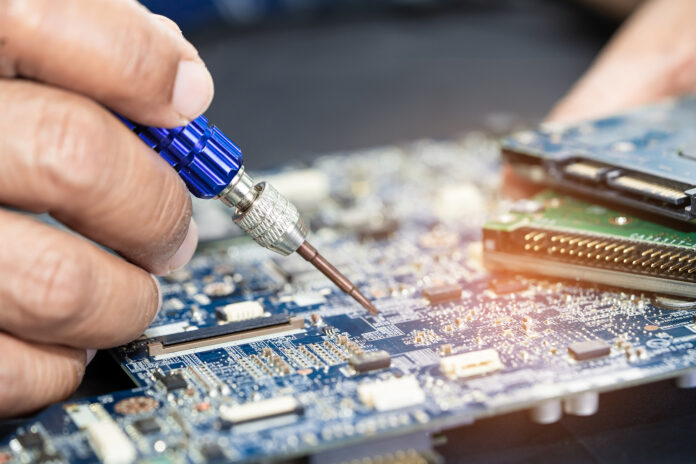
Modern electronics face unprecedented challenges. From smartphones enduring daily drops to automotive sensors operating in extreme temperatures, the demand for durable circuits has never been higher. Circuit durability directly impacts device reliability, user satisfaction, and manufacturing costs—making it a critical consideration for engineers and manufacturers alike.
This guide explores proven strategies to enhance circuit longevity, covering material selection, design principles, and manufacturing techniques that can significantly extend the lifespan of high-tech devices.
Understanding Circuit Failure Modes
Before addressing durability improvements, it’s essential to understand how circuits typically fail. The most common failure modes include thermal stress, mechanical fatigue, corrosion, and electrical overstress.
Thermal cycling causes materials to expand and contract repeatedly, creating stress points that can lead to cracks or connection failures. This is particularly problematic in devices that experience frequent temperature changes, such as automotive electronics or outdoor equipment.
Mechanical stress from vibrations, impacts, or flexing can damage delicate components and connections. Mobile devices are especially vulnerable to this type of wear, as they’re frequently handled, dropped, and subjected to various physical forces.
Environmental factors like moisture, chemicals, and UV radiation can degrade circuit materials over time. Corrosion of metal traces and component leads remains a significant concern in harsh operating environments.
Material Selection for Enhanced Durability
Choosing the right materials forms the foundation of durable circuit design. High-quality substrates, such as polyimide or ceramic materials, offer superior thermal stability and mechanical strength compared to standard FR-4 boards.
Copper thickness plays a crucial role in circuit longevity. Thicker copper traces can better handle thermal expansion and provide improved current-carrying capacity, reducing the risk of overheating and failure.
For critical connections, gold plating provides excellent corrosion resistance and maintains reliable electrical contact over extended periods. While more expensive than other finishes, the long-term reliability benefits often justify the additional cost.
Component selection should prioritize parts with appropriate temperature ratings, mechanical specifications, and proven reliability records. Industrial-grade components typically offer better durability than consumer-grade alternatives, though they come at a premium.
Design Strategies for Long-Term Reliability
Thermal management represents one of the most critical aspects of durable circuit design. Proper heat dissipation prevents component degradation and maintains stable operating conditions. Strategic placement of heat-generating components, adequate copper pour areas, and thermal vias can significantly improve heat dissipation.
Mechanical stress relief techniques help circuits withstand physical challenges. Flexible sections in rigid-flex designs allow controlled bending without damaging critical connections. Additionally, proper bonding wire selection and implementation ensures reliable connections between die and package leads, particularly important in high-reliability applications.
Redundancy in critical circuits provides backup paths when primary connections fail. While this approach increases complexity and cost, it’s often necessary for mission-critical applications where failure isn’t acceptable.
Manufacturing Excellence for Durability
Manufacturing processes significantly impact final circuit durability. Controlled impedance matching ensures signal integrity and reduces electrical stress on components. Proper solder joint formation, achieved through precise temperature profiles and appropriate flux selection, creates reliable mechanical and electrical connections.
Quality control measures throughout production help identify potential failure points before devices reach end users. Automated optical inspection, in-circuit testing, and environmental stress screening can reveal manufacturing defects that might compromise long-term reliability.
Environmental Protection Strategies
Conformal coatings provide a protective barrier against moisture, chemicals, and other environmental hazards. Different coating materials offer varying levels of protection, with silicone-based coatings excelling in high-temperature applications and acrylic coatings providing good general-purpose protection.
Enclosure design plays a vital role in protecting internal circuits. Proper sealing, ventilation planning, and material selection for housings can dramatically extend circuit life in challenging environments.
Testing and Validation Methods
Accelerated life testing helps predict long-term reliability by subjecting circuits to elevated stress conditions. Temperature cycling, vibration testing, and humidity exposure can reveal potential failure modes in compressed timeframes.
Real-world testing validates laboratory results and uncovers unexpected failure modes that might not appear in controlled environments. Field testing with actual users provides invaluable feedback on circuit performance and durability.
The Path Forward: Durable Design Practices
Creating durable circuits requires a holistic approach that considers materials, design, manufacturing, and environmental factors. Success depends on understanding application requirements, implementing appropriate protection strategies, and validating performance through comprehensive testing.
The investment in durability pays dividends through reduced warranty claims, improved customer satisfaction, and enhanced brand reputation. As electronic devices become increasingly integral to daily life and critical applications, the importance of robust, long-lasting circuits will only continue to grow.
Start implementing these durability strategies in your next design project. Focus on the areas most relevant to your specific application, and remember that small improvements in circuit durability can yield significant long-term benefits for both manufacturers and end users.

