Walking into a laser eye surgery clinic for the first time can feel pretty overwhelming, especially when you’re not sure what’s normal versus what’s just marketing fluff. Professional laser eye surgery melbourne clinics follow strict protocols that have been refined over decades of practice, and understanding these processes can help calm those pre-surgery nerves. The entire journey typically spans several weeks, from your initial consultation through your final follow-up appointment. Professional clinics don’t rush this process because they know that thorough evaluation and proper patient education lead to better outcomes and happier patients. In Melbourne’s regulated healthcare environment, professional standards are high, and clinics must meet stringent requirements to maintain their accreditation and reputation.
Initial Consultation Process
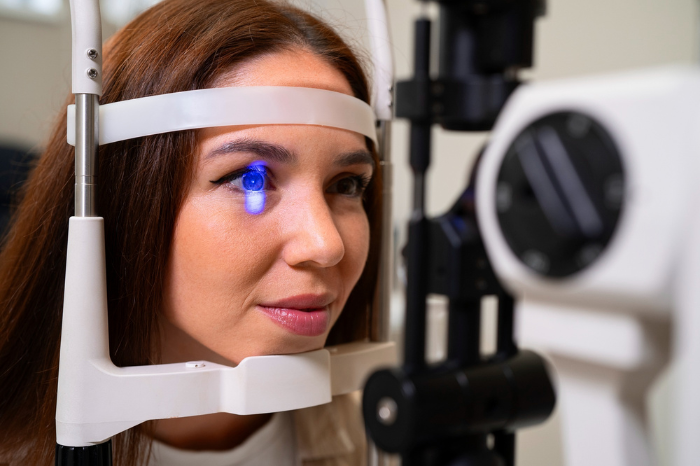
Your first visit isn’t about selling you surgery – it’s about determining if you’re actually a good candidate. Professional clinics spend 60-90 minutes conducting comprehensive eye examinations that go way beyond your typical eye doctor visit. They’ll measure your corneal thickness using ultrasound pachymetry, map your corneal shape with topography systems, and examine the health of your retina after dilating your pupils.
The technicians will also measure your pupil size in different lighting conditions because this affects how you’ll see after surgery. Large pupils can sometimes cause issues with night vision, so this measurement helps surgeons plan your treatment accordingly.
During this appointment, you’ll learn about different surgical options and which one might work best for your eyes. The surgeon won’t pressure you to decide immediately – professional clinics encourage patients to take time to consider their options and ask questions.
Pre-Surgery Preparation
If you decide to proceed, there’s a preparation phase that most people don’t expect. If you wear contact lenses, you’ll need to stop wearing them for a specific period before surgery – soft lenses require about a week off, while hard lenses might need two weeks or more. This waiting period allows your corneas to return to their natural shape, which is crucial for accurate measurements.
You’ll receive detailed instructions about medications to avoid, including aspirin and certain supplements that can affect bleeding. Professional clinics provide written guidelines because they know that verbal instructions get forgotten when people are nervous.
The day before surgery, you’ll typically have a final pre-operative check to confirm that your prescription hasn’t changed and that your eyes are healthy. This last-minute verification prevents any surprises on surgery day.
Surgery Day Experience
Most people are surprised by how quickly the actual procedure goes. You’ll arrive about an hour before your scheduled surgery time for final preparations and to receive relaxation medication if you want it. The surgical suite looks more like a high-tech laboratory than a traditional operating room, with computer monitors and laser equipment that costs more than most houses.
Before entering the surgical suite, you’ll meet with your surgeon again to review the treatment plan and have any last-minute questions answered. Professional surgeons never seem rushed during this conversation – they understand that patient anxiety is normal and take time to provide reassurance.
The laser procedure itself typically takes 10-15 minutes for both eyes, though the actual laser time is usually less than 60 seconds per eye. You’ll be lying flat while the surgeon uses a specialized microscope and positioning devices to ensure perfect alignment.
Immediate Post-Surgery Care
Right after surgery, your eyes might feel gritty or watery – this is completely normal. Professional clinics have you rest for 15-30 minutes after surgery while they check that everything looks good, then provide you with protective eyewear and detailed post-operative instructions.
You won’t be able to drive yourself home, so you’ll need someone to pick you up. Most people find that their vision is noticeably better within hours of surgery, though it continues improving for several days.
The first night after surgery is crucial for healing, so professional clinics provide special protective shields to wear while sleeping. These prevent accidental rubbing, which could disrupt the healing process.
Follow-Up Schedule
Professional clinics schedule multiple follow-up appointments to monitor your healing progress. Typically, you’ll be seen the day after surgery, then at one week, one month, three months, and six months. These aren’t just quick check-ins – each visit includes comprehensive examinations to ensure your eyes are healing properly.
During these visits, the clinic tracks your vision improvement and watches for any signs of complications. They’ll adjust your eye drop regimen based on how you’re healing and answer any questions about activities you can resume.
Most people achieve their final vision results within three to six months, though many see dramatic improvement much sooner. The follow-up schedule ensures that any issues are caught early when they’re easier to address.
Managing Expectations
Professional clinics are honest about what laser eye surgery can and can’t do. While most patients achieve 20/20 vision or better, some may still need reading glasses as they age, and a small percentage might need enhancement procedures to fine-tune their results.
They’ll explain that your eyes will go through a healing process that includes some fluctuation in vision quality, especially during the first few weeks. This preparation helps patients understand that temporary variations are normal and not cause for concern.