The modern home relies heavily on a consistent power supply. From heating and cooling to internet and refrigeration, an unexpected power outage can quickly turn daily comfort into significant disruption. In July 2026, with increasing weather volatility and aging grid infrastructure, ensuring energy independence is more important than ever.
We understand the frustration and concern that comes with losing power. That is why we are exploring home generator and power solutions. These systems offer peace of mind and security, keeping your home running smoothly when the grid fails.
This extensive guide will cover everything you need to know. We will look at different types of backup power, like standby and portable generators, as well as solar options. We will explain how to size a system for your needs, the differences in cooling and fuel types, and how these solutions integrate with your home’s electrical system. We will also discuss installation, maintenance, and the financial benefits they offer.
Understanding how these systems work is key to achieving complete home power control. Join us as we navigate the complexities of home backup power, helping you make informed decisions for a more resilient future.
When considering a home backup power solution, homeowners typically encounter three primary categories: standby generators, portable generators, and solar generators. Each offers distinct advantages and caters to different needs and budgets. Understanding these differences is crucial for selecting the most appropriate system for your property.
Table of Contents
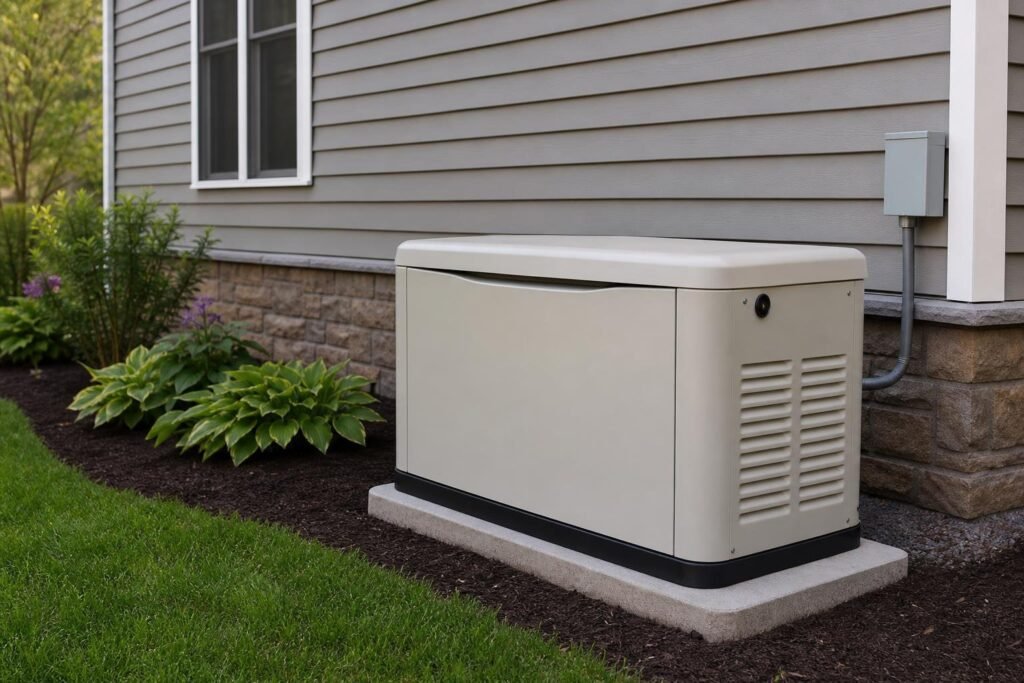
Standby generators are permanently installed outside your home, much like an air conditioning unit. They are hardwired into your electrical system and connected to a continuous fuel source, such as natural gas or liquid propane. Designed for automatic operation, they detect power outages and kick on within seconds, providing seamless power restoration without any manual intervention. These systems are ideal for whole-home backup, ensuring that essential appliances, HVAC systems, and sensitive electronics remain operational during extended outages.
Portable generators, by contrast, are smaller, more affordable, and offer flexibility. They are not permanently installed and require manual setup, including positioning, fueling, and connecting appliances via extension cords or a manual transfer switch. While they provide power during outages, their capacity is generally limited to essential circuits or a few critical appliances. They are often fueled by gasoline or propane tanks, requiring manual refueling.
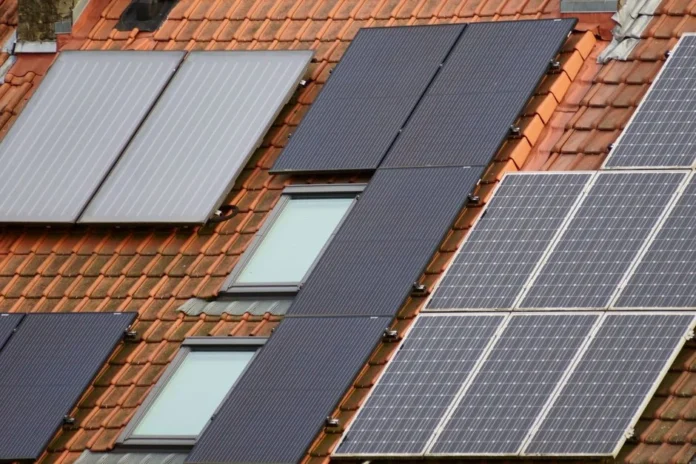
Solar generators, also known as battery backup systems, leverage renewable energy from solar panels to charge integrated batteries. These systems can range from small, portable units to large, whole-home solutions. They offer silent, emissions-free power and can significantly reduce reliance on the grid. Some advanced solar generators can even integrate with wind turbines for hybrid charging, providing continuous power generation even on cloudy days or at night.
The choice among these systems depends on factors like desired power capacity, budget, frequency of outages, and environmental considerations. For instance, a small portable unit might suffice for occasional, short-duration outages, while a standby generator provides robust, automatic protection for frequent or prolonged disruptions. Solar generators appeal to those seeking sustainable, quiet, and grid-independent power.
Standby vs. Portable Generators: Key Differences
The distinction between standby and portable generators goes beyond mere size and installation; it encompasses fundamental differences in operation, convenience, and reliability. Standby generators are engineered for automatic activation. When the utility power fails, an automatic transfer switch (ATS) detects the interruption and signals the generator to start, typically within 10 to 20 seconds. This seamless transition means your lights, refrigerator, and HVAC system continue running without you lifting a finger. This automatic functionality is a major convenience, especially during sudden outages, severe weather, or when you’re away from home.
Furthermore, standby units connect to a continuous fuel source—either your home’s natural gas line or a large liquid propane tank. This eliminates the need for manual refueling, allowing them to run for days or even weeks, depending on fuel availability and consumption. Their power capacity is significantly higher than most portable models, often capable of powering an entire home, including heavy-duty appliances like central air conditioning, electric ovens, and well pumps.
Safety is another critical differentiator. Standby generators are permanently wired into your home’s electrical system via an ATS, which safely isolates your home from the utility grid during operation, preventing dangerous “backfeeding” of electricity into the utility lines. Portable generators, if not used with a manual transfer switch and proper lockout, can pose risks of carbon monoxide poisoning if operated indoors or backfeeding if improperly connected to a home’s electrical panel.
While portable generators offer initial cost savings and versatility for various uses (e.g., camping, job sites), their manual operation, limited power, and refueling requirements make them less convenient and reliable for sustained home backup. They are also generally louder and produce exhaust fumes that necessitate careful placement. Standby generators, despite a higher upfront investment, offer unparalleled peace of mind and reliability, making them a superior choice for homeowners prioritizing uninterrupted power and safety.
Off-Grid Solar Generators and Hybrid Systems
For those seeking true energy independence or living in remote locations, off-grid solar generators and hybrid systems present a compelling alternative to traditional fuel-based generators. These systems harness renewable energy, primarily from solar panels, to provide clean, silent power. The core of a solar generator is its battery bank, which stores electricity generated by solar panels during the day for use at night or during periods of low sunlight.
Off-grid living with solar generators means significantly reduced or eliminated reliance on the utility grid. Modern solar generators utilize advanced battery chemistries, such as Lithium Iron Phosphate (LiFePO4), offering superior cycle life and efficiency compared to older Sealed Lead Acid (SLA) batteries. These systems also often incorporate pure sine wave inverters, which produce clean, stable electricity essential for sensitive electronics like computers, medical equipment, and modern appliances.
Beyond solar, hybrid systems integrate multiple renewable energy sources. Wind turbine integration is a popular option, especially in areas with consistent wind resources. By combining solar and wind inputs, these systems can achieve more consistent power generation, ensuring battery banks remain charged even when solar input is limited. Hybrid charging capabilities allow the system to draw power from various sources simultaneously, optimizing energy capture. Some advanced systems can even incorporate a traditional fuel-based generator as a backup charging source for the battery bank during prolonged periods of low renewable input, creating a robust, multi-layered energy solution.
The benefits extend beyond environmental impact. Off-grid solar generators are typically quiet, produce no emissions, and have lower long-term operating costs compared to fuel generators. They offer scalability, allowing homeowners to expand their battery capacity and solar array as their energy needs grow. For those in remote areas or prioritizing self-sufficiency, these systems provide a sustainable and reliable path to power.
Solar Battery Storage With or Without Solar Panels
Solar battery storage is a cornerstone of modern home energy solutions, offering flexibility whether or not you currently have solar panels. At its heart, battery storage involves capturing and saving electricity for later use. This can be energy generated by solar panels, or it can be electricity drawn from the grid during off-peak hours when rates are lower.
Most contemporary battery storage systems utilize advanced lithium-ion batteries, with Lithium Iron Phosphate (LiFePO4) chemistry being a preferred choice due to its superior safety, longer cycle life (5,000 to 15,000 cycles, significantly more than the 500-800 cycles of typical SLA batteries), and better thermal stability. These batteries are designed to endure thousands of charge and discharge cycles, providing years of reliable service.
The primary benefit of battery storage is enhanced energy independence and resilience. For homes with solar panels, batteries allow you to store excess solar energy generated during the day and use it at night or during cloudy periods, maximizing your self-consumption and reducing reliance on the grid. This also enables “peak shaving,” where you draw power from your batteries during peak utility rate periods, avoiding expensive electricity charges and optimizing time-of-use (TOU) tariffs.
Even without solar panels, battery storage can be a valuable asset. Homeowners can charge their batteries from the grid during off-peak hours when electricity is cheapest, then discharge them during peak hours to save money. This strategy, known as “arbitrage,” can significantly lower electricity bills. More importantly, these batteries provide instant backup power during outages, seamlessly taking over when the grid goes down. Some systems even feature “Outage Guard” technology, which automatically charges the battery to full capacity in anticipation of severe weather based on local alerts, ensuring maximum readiness for a power disruption. This versatility makes solar battery storage a smart investment for both solar-equipped and grid-dependent homes looking for greater energy control and backup security.
Technical Specifications: Sizing, Cooling, and Fuel Dynamics
Understanding the technical aspects of home generator and power solutions is essential for making an informed decision. This includes accurately sizing your system to meet your home’s electrical load, comprehending the differences in engine cooling mechanisms, and evaluating the various fuel options available. Each of these factors directly impacts a generator’s performance, longevity, and operational cost.
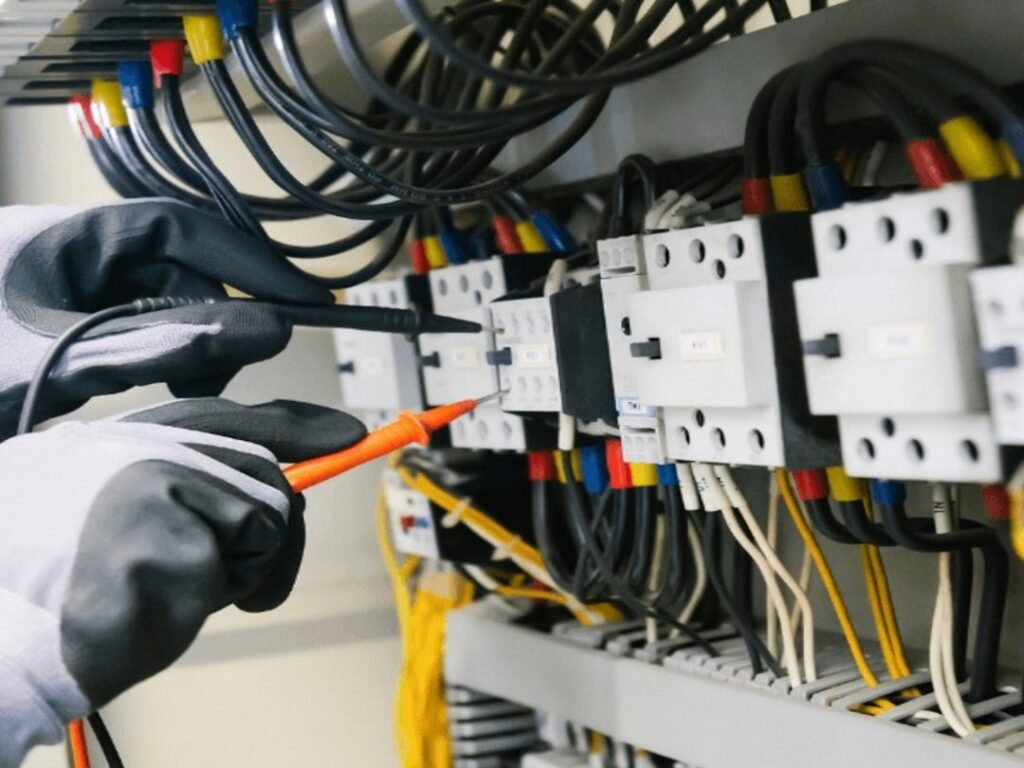
When we talk about electrical load, we refer to the total power demand of all the appliances and systems you want to run during an outage. This load is typically measured in kilowatts (kW) for continuous running wattage and includes considerations for higher starting wattage, or “surge power,” required by motor-driven appliances like air conditioners, refrigerators, and well pumps. The cooling system of a generator, whether air-cooled or liquid-cooled, dictates its ability to manage heat and sustain prolonged operation. Finally, the choice of fuel source—natural gas, liquid propane, or diesel—influences everything from installation logistics and storage requirements to fuel efficiency and environmental impact. Properly assessing these technical specifications ensures your chosen power solution is both effective and efficient for your home.
Sizing Your Home Generator and Power Solutions
Determining the correct size for your home generator is arguably the most critical step in the selection process. An undersized generator won’t power all your essential appliances, while an oversized one will cost more upfront and operate less efficiently. The goal is to match the generator’s capacity (measured in kilowatts, kW) to your home’s specific electrical load requirements.
We recommend starting with a comprehensive load calculation. This involves identifying all the appliances and systems you wish to power during an outage—from lights and refrigerators to HVAC units and medical equipment. For each item, note its running wattage and, crucially, its starting wattage (or surge power). Motor-driven appliances can draw significantly more power for a few seconds upon startup than they do during continuous operation. For example, a central air conditioner might run at 3,000 watts but require 9,000 watts to start.
The most accurate way to perform this assessment is to have a licensed electrician conduct an amp meter measurement of your home’s circuits. This professional evaluation captures the actual power surge required when each appliance starts up, providing a precise baseline for generator sizing.
Based on your needs, you can opt for different levels of coverage:
- Essential Circuit Coverage: Powers only your most critical appliances, such as the refrigerator, a few lights, and a furnace.
- Managed Whole-House Power: Utilizes smart load management modules to prioritize and cycle power to various circuits, ensuring essential items always run while shedding non-essential loads if the generator approaches its capacity.
- Complete Whole-House Coverage: Powers virtually everything in your home, requiring a larger generator.
When sizing, always account for the highest simultaneous starting wattage. A typical 20,000-watt air-cooled standby generator, for example, can often power 12 to 16 key circuits, providing comprehensive protection for many homes.
Air-Cooled vs. Liquid-Cooled Systems
The cooling mechanism is a fundamental difference in generator design, directly impacting performance, noise levels, and suitability for various applications. We primarily encounter two types: air-cooled and liquid-cooled generators.
Air-Cooled Generators: These are the most common type for residential applications. They use a large fan to force air over the engine’s cylinders and other hot components, dissipating heat.
- Mechanics: Air-cooled engines are simpler in design, featuring fewer moving parts (no radiator, water pump, or hoses). This often translates to lower manufacturing costs and easier maintenance.
- Size and Power: They are typically smaller, lighter, and more compact, making them suitable for residential spaces with tighter lot lines. Air-cooled models generally range from 8 kW to 26 kW, with the most powerful air-cooled home standby generator currently offering whole-house coverage.
- Noise: While generally quieter than portable generators, air-cooled units can still produce noticeable noise due to the high-speed fan.
- Cost: They are usually more affordable than liquid-cooled models, offering exceptional value for the majority of residential homes.
Liquid-Cooled Generators: These systems operate much like an automobile engine, using a radiator and coolant to regulate engine temperature.
- Mechanics: Liquid-cooled generators circulate coolant through the engine block, which then flows to a radiator where heat is exchanged with the ambient air. This system is more complex but highly efficient at heat removal.
- Size and Power: They are typically larger, heavier, and more powerful, ranging from 22 kW up to 150 kW or more. These are designed for larger homes, commercial properties, or applications requiring significant, sustained power output.
- Noise: Liquid-cooled generators tend to be quieter than air-cooled units of comparable power, as the liquid cooling system is inherently more efficient at managing engine heat, allowing for slower fan speeds.
- Longevity and Durability: Their robust cooling system enables them to run for longer durations and in more demanding conditions, often making them more durable for heavy, continuous use.
For most residential backup needs, an air-cooled generator provides an excellent balance of cost, performance, and footprint. However, for very large homes, properties with extensive electrical loads, or those in extremely hot climates requiring prolonged, high-capacity operation, a liquid-cooled system might be the more appropriate choice.
Fuel Selection: Natural Gas, Propane, and Diesel
The choice of fuel for your home generator significantly impacts its installation, operation, and overall cost-effectiveness. We typically consider three main options: natural gas, liquid propane (LP), and diesel.
Natural Gas:
- Advantages: If your home is already connected to a natural gas line, this is often the most convenient and cost-effective option. Natural gas offers an unlimited, continuous fuel supply directly from the utility, eliminating the need for on-site storage or refueling. This means your generator can run indefinitely during extended outages. It also burns cleaner than diesel.
- Considerations: The generator’s power output may be slightly lower on natural gas compared to propane. Installation requires a connection to your home’s gas line, which must be sized correctly to handle the generator’s demand. In rare events, natural gas supply can be interrupted during major disasters.
Liquid Propane (LP):
- Advantages: Propane is a readily available fuel that can be stored on-site in large tanks. This makes it an excellent choice for homes without natural gas access or as a backup to natural gas. It has a longer shelf life than gasoline and burns cleanly. Propane generators often offer slightly higher power output than natural gas models of the same size.
- Considerations: Requires the installation of a large, dedicated propane tank (often 250-1000 gallons) on your property, which needs to be refilled periodically. Tank size must be sufficient for your expected run time. The cost of propane can fluctuate, and delivery may be challenging during widespread emergencies.
Diesel:
- Advantages: Diesel generators are known for their durability, fuel efficiency, and long lifespan, especially in larger commercial and industrial applications. Diesel fuel is energy-dense, meaning a given volume provides more energy than propane or natural gas, leading to longer run times per gallon.
- Considerations: Diesel generators are typically more expensive than natural gas or propane units. Diesel fuel requires on-site storage in tanks, which can be bulky and require specific handling and maintenance (e.g., preventing fuel gelling in cold weather). Diesel exhaust has a stronger odor and higher particulate emissions compared to natural gas or propane. Additionally, diesel fuel has a limited shelf life (6-12 months) and may require stabilizers.
When making your selection, consider local fuel availability, the frequency and duration of typical power outages in your area, and the logistical challenges and costs associated with each fuel type and its storage.
Advanced Integration: Smart Panels, Solar Storage, and Microgrids
The landscape of home power solutions is rapidly evolving, moving beyond simple backup generators to sophisticated, integrated systems that offer unprecedented control, efficiency, and resilience. Modern homes are increasingly adopting smart electrical panels, advanced solar battery storage, and even microgrid capabilities to manage their energy.
Smart electrical panels, such as those that integrate with comprehensive home energy management systems, allow homeowners to monitor and control individual circuits from a smartphone app. This capability enables dynamic load shedding, where non-essential appliances can be automatically or manually turned off during an outage to extend battery or generator run time. When combined with solar battery storage, these systems can optimize energy usage, store excess solar power, and even participate in grid services. Microgrids represent the pinnacle of this integration, allowing a home or community to operate independently from the main utility grid, drawing power from multiple sources and maintaining stability. This level of energy management not only provides superior backup during outages but also offers significant potential for reducing electricity bills and contributing to a more sustainable energy future.
Also Read : Coastal HVAC Services and Maintenance
Integrating Home Generator and Power Solutions with the Grid
The seamless and safe integration of home generator and power solutions with your home’s electrical system and the utility grid is paramount. The cornerstone of this integration for standby generators is the automatic transfer switch (ATS).
An ATS is a permanent electrical panel installed near your main circuit breaker panel. Its primary role is to monitor the utility power supply. When an outage occurs, the ATS detects the loss of grid power, signals the generator to start, and then safely switches your home’s electrical load from the utility to the generator. This process typically happens within seconds, ensuring a virtually uninterrupted power supply. Once utility power is restored, the ATS senses this, switches your home back to grid power, and signals the generator to shut down.
Beyond convenience, the ATS is a critical safety device. It ensures grid isolation, physically disconnecting your home from the utility grid before the generator powers your circuits. This prevents dangerous backfeeding—where electricity from your generator could flow back into the utility lines, posing a severe electrocution risk to utility workers. The cost of an ATS kit can vary significantly, starting around $550 and running up to $6,000 or more, depending on its capacity and features. However, it is an indispensable component for any permanently installed standby generator.
For solar generators and battery storage systems, integration often involves specialized inverters and smart disconnect switches (SDS) that manage the flow of power between solar panels, batteries, the home, and the grid. These systems also include anti-islanding protection to prevent backfeeding. The goal with all these integrations is to provide reliable power when the grid is down, protect utility workers, and ensure the safe and efficient operation of your home’s electrical system.
Financial Return, Cost Factors, and Home Value
Investing in a home generator or advanced power solution involves various cost factors, but it also offers significant financial returns, including increased home value and potential savings.
The initial cost of a home generator system can range widely. Standby generators typically start in the $3,500 to $4,500 range for smaller units and can exceed $20,000 for larger, whole-home models, excluding installation. Portable generators are generally less expensive, often ranging from a few hundred to a few thousand dollars. Solar generators and battery storage systems can have a higher upfront cost, depending on battery capacity and solar array size, but may qualify for incentives and tax credits.
Installation expenses are a major component of the total cost for standby generators and integrated solar/battery systems. These costs include electrical wiring, fuel line connections (for natural gas or propane), concrete pads, permits, and labor. Professional installation is crucial for safety and compliance, ensuring the system functions correctly and meets local codes.
However, these investments often yield substantial benefits. A recent study showed that standby generators can increase home resale values by an impressive 52.7% of the system’s cost. This means a significant portion of your investment could be recouped upon selling your home, as backup power is a highly desirable feature for many homebuyers, especially in storm-prone regions. Beyond resale value, some insurance providers offer discounts on homeowner’s insurance premiums for properties equipped with standby generators, recognizing the reduced risk of damage from prolonged outages (e.g., frozen pipes, food spoilage).
Furthermore, integrated solar and battery systems can lead to long-term savings on electricity bills through peak shaving and time-of-use optimization. While the upfront costs can be substantial, the combination of enhanced property value, potential insurance savings, and reduced energy bills makes a compelling financial case for home generator and power solutions.
Maintenance, Warranties, and Outage Preparation
Ensuring the longevity and reliability of your home generator or power solution requires diligent maintenance and proactive preparation. Just like a car, these complex machines need regular care to perform optimally when you need them most.
Routine inspections are fundamental. For standby generators, this typically involves weekly or bi-weekly diagnostic runs (self-tests) to ensure the unit is operational. Annual or bi-annual professional servicing is highly recommended. During these visits, technicians will perform essential tasks such as oil and filter changes, check fuel lines, inspect batteries, test electrical connections, and update software. This preventative maintenance identifies potential issues before they escalate, preventing unexpected system failures during emergencies. Many manufacturers offer maintenance plans that simplify this process. For solar battery systems, maintenance is generally lower but still involves periodic checks of connections, battery health monitoring, and software updates.
Manufacturer warranties are a critical consideration when purchasing any power solution. Most reputable brands offer warranties ranging from 5 to 10 years on equipment. It’s important to understand what the warranty covers (parts, labor, specific components) and any conditions that might void it (e.g., non-professional installation, using non-approved parts). For instance, some manufacturers might warn that using third-party solar panels could void the warranty on their integrated systems. Always ensure that any installation or repair work is performed by factory-certified and trained technicians to maintain warranty validity.
Effective outage preparation extends beyond just having a system. We advise homeowners to understand their system’s capabilities, including estimated runtimes and fuel consumption rates. Keep your fuel tanks topped off (for propane or diesel) and ensure your natural gas line is clear. For solar battery systems, monitor charge levels, especially when severe weather is anticipated. Having a plan for what to do during an outage, including which appliances to prioritize, can maximize your system’s effectiveness. For comprehensive support with your backup power system, including ensuring it’s always ready for an emergency, consider professional services for generator installation and maintenance.
Finding a Qualified Installer for Your System
The performance and safety of your home generator or power solution depend heavily on professional installation. We cannot overstate the importance of finding a qualified installer. This is not a DIY project; improper installation can lead to dangerous electrical hazards, void warranties, and fail to meet local building codes.
When searching for an installer, look for licensed electricians who specialize in generator and home energy system installations. They should possess specific certifications from the generator manufacturers they install (e.g., Generac, Briggs & Stratton, Kohler). Factory-certified technicians have undergone specialized training, ensuring they are knowledgeable about the specific technical features, installation requirements, and troubleshooting procedures for the brands they represent.
A qualified installer will:
- Conduct a thorough site evaluation: Assessing your home’s electrical system, fuel source availability, and optimal placement for the generator or battery system.
- Perform accurate load calculations: As discussed earlier, this is crucial for proper sizing.
- Handle local permitting and inspections: They will be familiar with local electrical codes, gas line regulations, and zoning requirements, ensuring all necessary permits are acquired and county inspections are passed. This meticulous approach prevents future legal issues and ensures safety compliance.
- Ensure proper integration: Safely connecting the generator to your home’s electrical panel via an automatic transfer switch or integrating solar/battery systems with your existing setup.
- Provide post-installation support: Offering guidance on system operation, maintenance schedules, and warranty information.
We recommend obtaining multiple quotes and checking references. Look for companies with a strong track record, positive customer reviews, and comprehensive service offerings, including ongoing maintenance plans. A reputable installer will ensure your system is installed correctly, safely, and efficiently, providing you with long-term peace of mind.
Frequently Asked Questions About Backup Power
As homeowners increasingly explore options for energy independence and reliability, several common questions arise regarding backup power solutions. We aim to address these comprehensively, providing clear, actionable insights to help you make informed decisions.
Can a standby generator run continuously during an extended outage?
Yes, a standby generator is designed for continuous operation during extended outages, often running for days or even weeks, depending on its fuel source and maintenance. Unlike portable generators that typically run on gasoline and require frequent refueling, standby units connected to natural gas lines can run indefinitely as long as the gas supply is uninterrupted. Liquid propane (LP) models are limited only by the size of their fuel tank, which can be quite large (e.g., 500-1000 gallons).
However, continuous operation does require attention. Manufacturers specify maintenance schedules, often recommending oil level checks every 24-48 hours of continuous run time and oil/filter changes after a certain number of operating hours (e.g., 200 hours). While the generator can run continuously, it’s advisable to perform periodic maintenance shutdowns, if feasible, to conduct these checks and ensure optimal performance. These are typically brief intervals that allow for necessary servicing without significant disruption. Modern standby generators are built for durability and prolonged use, providing reliable power throughout extended grid failures.
How does altitude affect generator performance in mountainous regions?
Altitude significantly impacts generator performance, particularly in mountainous regions like the Colorado Front Range. Internal combustion engines, including those in generators, rely on oxygen for combustion. At higher altitudes, the air density is lower, meaning there’s less oxygen available per cubic foot of air.
This reduced oxygen directly affects the engine’s ability to burn fuel efficiently, leading to a phenomenon known as high-altitude derating. For every 1,000 feet above sea level, a generator can lose approximately 3.5% of its rated power output. So, a generator rated for 20 kW at sea level might only produce around 17.2 kW at 4,000 feet, or even less at higher elevations. This power loss means you might need a larger generator than initially calculated to meet your electrical load requirements.
Manufacturers often provide specific guidance or kits for high-altitude operation, which may involve adjusting the engine’s fuel-to-air ratio to compensate for the thinner air. Failing to account for altitude derating can result in an undersized generator that struggles to power your home, operates inefficiently, and potentially experiences premature wear. When planning a generator installation in elevated areas, it’s crucial to consult with an experienced installer who understands these specific environmental challenges and can recommend an appropriately sized and configured unit.
Can I install a standby generator as a DIY project?
No, installing a standby generator is unequivocally not a DIY project. We strongly advise against attempting to install a standby generator or its automatic transfer switch (ATS) yourself. This complex undertaking involves significant safety hazards and requires specialized expertise in both electrical and gas systems.
Here’s why professional installation is mandatory:
- Electrical Codes: Standby generators must be hardwired into your home’s electrical system via an ATS. This involves working with high-voltage electricity and ensuring compliance with stringent National Electrical Code (NEC) standards and local electrical codes. Incorrect wiring can lead to dangerous electrical faults, fires, or even electrocution.
- Gas Line Permits: Connecting a generator to a natural gas line or a large liquid propane tank requires expertise in plumbing and gas fitting. Improper gas line installation can result in leaks, explosions, or carbon monoxide poisoning. Gas line work is typically regulated by specific permits and inspections to ensure safety.
- Permitting and Inspections: Local jurisdictions require permits for generator installations to ensure they meet safety and environmental standards. A licensed professional will handle the permitting process and ensure the installation passes all necessary county inspections.
- Warranty Voidance: Most generator manufacturers explicitly state that improper or non-professional installation will void the product warranty, leaving you without coverage for potential issues.
- Backfeeding Prevention: The ATS is a critical safety device that prevents backfeeding electricity into the utility grid. Incorrect installation of an ATS can bypass this safety feature, endangering utility workers who may be repairing lines.
For these reasons, a licensed electrician or a certified generator technician must perform the installation. They have the training, tools, and knowledge to ensure your system is installed safely, legally, and to manufacturer specifications, providing reliable power without compromising your home’s safety or your warranty.
Conclusion
In July 2026, the demand for reliable home power solutions is not just a luxury but a growing necessity. From the automatic convenience of standby generators to the sustainable independence offered by solar and battery storage systems, homeowners now have a diverse array of options to secure their energy future. We’ve explored the fundamental differences between generator types, delved into the technicalities of sizing and cooling, and highlighted the importance of fuel selection.
Beyond basic backup, advanced integrations with smart panels and microgrids are transforming how we manage home energy, offering unprecedented control and efficiency. While the initial investment might seem substantial, the financial returns through increased home value and potential savings, coupled with the invaluable peace of mind, make these solutions a wise long-term decision.
Ensuring reliability with home generator and power solutions is about proactive planning. It’s about protecting your family, your property, and your comfort against the unpredictability of power outages. By understanding your needs, making informed choices, and partnering with qualified professionals for installation and maintenance, you can achieve true energy independence and long-term resilience for your modern home.

