Key Takeaways
- Insulation has a significant impact on energy use and comfort in any building.
- Proper insulation helps control moisture, reduces noise, and improves air quality.
- Energy efficiency from insulation leads to lower utility bills and increased property value.
- Choosing the right insulation is crucial for sustainability and long-term structural health.
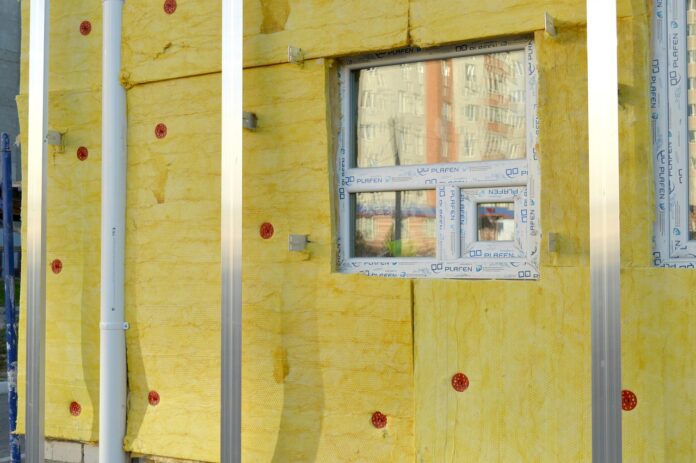
Adequate insulation is a cornerstone of any building project, playing a critical role in maintaining indoor comfort and energy efficiency. By regulating temperature, insulation helps reduce the need for excessive heating and cooling, which can lower energy consumption and contribute to a more sustainable living or working environment. Beyond temperature control, proper insulation also supports soundproofing, moisture management, and overall structural durability, making it an essential consideration for both new constructions and renovations.
For those undertaking construction or remodeling projects, choosing the right materials and installation methods can significantly impact long-term performance. Services like Massachusetts insulation providers emphasize quality and expertise, ensuring that buildings achieve optimal thermal efficiency and comfort. Thoughtful insulation planning not only enhances daily living conditions but also contributes to cost savings and environmental responsibility over time.
Energy Efficiency and Cost Savings
Insulation plays a crucial role in modern buildings, as it significantly enhances energy efficiency. Well-installed insulation in walls, roofs, and floors reduces heat loss during winter and prevents heat gain in the summer. The U.S. Department of Energy states that heating and cooling account for roughly half of a home’s energy consumption; adding insulation can reduce these costs by as much as 40%. This not only eases the load on HVAC systems but also lowers utility bills and decreases maintenance requirements. Although the upfront cost of high-quality insulation might seem significant, it typically pays for itself within a few years through sustained savings. Overall, insulation is an effective way to reduce energy consumption and enhance financial well-being.
Enhanced Comfort and Indoor Air Quality
Insulation not only helps cut costs but also plays a crucial role in comfort. By preventing heat transfer and maintaining stable indoor temperatures, it minimizes drafts and creates a consistently cozy environment. It also improves air quality by sealing gaps that block outdoor pollutants, pollen, and allergens—benefiting those with allergies or respiratory sensitivities. Partnering with a knowledgeable insulation company ensures materials are installed correctly for maximum efficiency and durability. Many modern insulation options are resistant to mold and mildew, further supporting a healthier indoor environment. When done correctly, effective insulation contributes to safer, more comfortable, and energy-efficient homes and workplaces.
Also read: Benefits of Using Compression Socks in Australia
Moisture Control and Structural Integrity
Moisture is a leading cause of decay and damage to buildings, but well-chosen insulation can provide a critical line of defense. High-quality insulation impedes the flow of water vapor, preventing condensation within wall cavities and reducing the risk of mold, rot, and corrosion. This not only protects indoor air and occupant health but also preserves the property’s structural integrity for decades to come.
Buildings in humid or coastal areas face an even greater need for advanced moisture management, making insulation a crucial part of preventative maintenance. The right system can vastly extend the usable life of materials, from wood framing to exterior cladding.
Soundproofing Benefits
Noise pollution can undermine enjoyment and productivity in any space, especially in busy urban neighborhoods or multi-family buildings. Insulation naturally dampens sound transfer through walls and ceilings, reducing the intrusion of outside noise, such as traffic, neighbors, or mechanical systems. Effective soundproofing creates peaceful work and home environments, enhances privacy, and increases the overall quality of life for occupants.
Environmental Impact and Sustainability
As climate change and sustainability become top priorities in the building industry, insulation stands out as a leading solution. Reducing energy demand through better insulation directly lowers greenhouse gas emissions, aligning with green building certifications and climate action efforts. Furthermore, many insulation products today are produced with recycled or renewable materials, further minimizing a project’s environmental footprint.
By choosing insulation that meets or exceeds local energy codes, developers and homeowners can contribute to a more sustainable future while also benefiting from possible tax incentives.
Increased Property Value
Homes and commercial buildings with superior insulation tend to command higher market values. Buyers are increasingly recognizing the importance of energy-efficient features, both for cost savings and enhanced comfort. Well-insulated properties are often listed as “turn-key” or “move-in ready,” which shortens the selling process and supports premium asking prices. Energy ratings and certifications, such as ENERGY STAR, are significant selling points that can distinguish a property from the competition.
Adaptability to Various Climates
Insulation is a universal solution, providing tangible benefits in both hot and cold climates, as well as in humid and dry regions. In hot climates, it keeps indoor temperatures cool and reduces air conditioning costs. In cold conditions, it locks in warmth and shields interiors from freezing temperatures. This versatility ensures greater comfort and performance throughout the year, making insulation an intelligent choice for any geographic location.
Long-Term Structural Benefits
Maintaining consistent indoor temperatures reduces the expansion and contraction that building materials undergo in response to temperature swings. This stability substantially decreases the wear and tear on a building’s structure, extending the life of everything from the foundation to the roofing system. Over time, quality insulation means less maintenance, lower repair costs, and greater durability for the entire property.
Conclusion
Insulation is more than just an add-on in building projects—it’s foundational to achieving energy efficiency, comfort, and sustainability. By prioritizing properly installed and high-quality insulation, property owners protect their investment, enhance living conditions, and contribute to a healthier environment. Whether starting new construction or renovating an existing structure, investing in insulation is a smart decision that delivers continual rewards.

