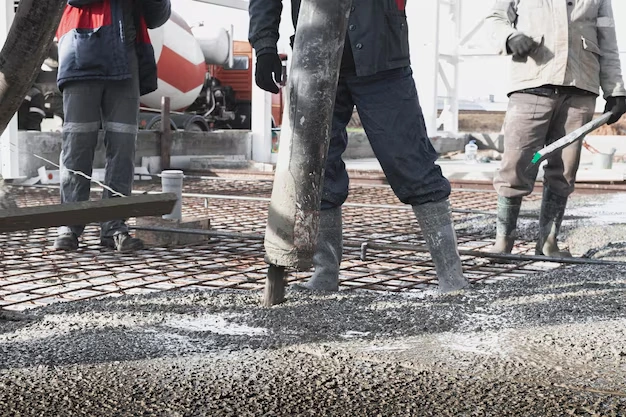
As urban areas continue to expand, managing stormwater runoff and reducing environmental impact has become increasingly important. One innovative solution that addresses these issues is the use of permeable concrete. This material offers several benefits for sustainable construction and urban planning, making it a popular choice among environmentally conscious builders and developers.
Table of Contents
Understanding Permeable Concrete
Permeable concrete, also known as porous concrete, is a specially formulated type of concrete that allows water to pass through it. Unlike traditional concrete, which is dense and impervious, permeable concrete has a higher void content. This structure enables water to infiltrate through the surface, thereby reducing runoff and promoting groundwater recharge.
Benefits in Urban Planning
Modern cities face the challenge of managing stormwater effectively. Traditional stormwater management systems often involve extensive drainage networks, which are costly to maintain and can lead to overflow during heavy rain. Permeable concrete offers a sustainable alternative by allowing water to percolate through the pavement, thereby reducing the need for extensive drainage infrastructure.
Moreover, permeable concrete can help mitigate urban heat island effects. By allowing water to evaporate through its surface, it contributes to cooling the surrounding environment, which can be particularly beneficial during the hot summer months.
Environmental Advantages
The environmental benefits of permeable concrete are significant. It supports water conservation efforts by facilitating the natural recharging of groundwater aquifers. Additionally, by reducing surface runoff, it helps prevent pollutants from being washed into rivers and streams, thereby protecting aquatic ecosystems.
Moreover, permeable concrete can be made with recycled materials, further contributing to its environmental appeal. The use of locally sourced aggregates can reduce transportation emissions, making it a sustainable choice for eco-friendly construction projects.
Applications of Permeable Concrete
Permeable concrete is versatile and can be used in a variety of applications. It is particularly effective in parking lots, walkways, and driveways, where it can reduce water pooling and enhance safety by decreasing the risk of hydroplaning.
In public spaces and recreational areas, permeable concrete provides a durable, environmentally friendly surface that can withstand heavy foot traffic while contributing to the natural landscape. Its aesthetic appeal also makes it suitable for use in decorative applications such as patios and garden paths.
Considerations for Installation
While permeable concrete presents many advantages, there are specific considerations for its installation. The subgrade must be carefully prepared to ensure proper drainage, and the concrete mix must be precisely formulated to achieve the desired level of permeability.
Contractors must be trained in the specific techniques required for installing permeable concrete. Proper curing and maintenance are crucial to preserve its permeability and structural integrity over time.
Challenges and Limitations
Despite its benefits, permeable concrete is not without challenges. One limitation is its suitability for areas with high traffic loads, as its porous nature can impact its load-bearing capacity. However, advancements in concrete technology continue to improve its strength and durability.
Regular maintenance is also necessary to prevent clogging of the pores, which can reduce its effectiveness. Ensuring that permeable concrete is kept clean of debris and sediment is essential for maintaining its permeability.
Future of Permeable Concrete
As environmental concerns continue to drive innovation in construction materials, the future of permeable concrete looks promising. Ongoing research and development are focused on enhancing its strength, durability, and aesthetic options, making it an increasingly viable option for sustainable urban development.
With growing awareness of the need for sustainable solutions, permeable concrete is poised to play a key role in the future of construction. Its ability to support environmental sustainability while providing practical infrastructure solutions makes it an ideal choice for builders and planners aiming for greener cities.
Also Read : Why Arizona Small Businesses Keep Losing Good Employees
Conclusion
Permeable concrete stands out as a remarkable solution in the quest for sustainable construction practices. By providing effective stormwater management, supporting water conservation, and offering environmental benefits, it is an excellent choice for any eco-conscious project. As technology continues to evolve, permeable concrete could become an integral part of urban landscapes worldwide, contributing to a more sustainable and resilient future.

