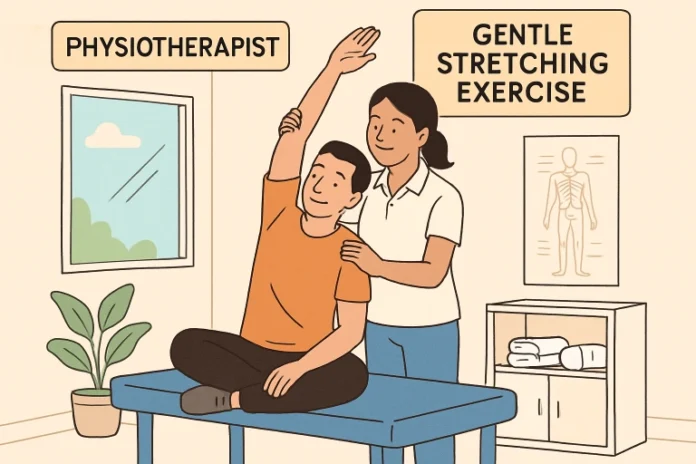
Enhancing physical well-being often calls for proactive, holistic approaches. One such method gaining recognition for everyday health is physiotherapy. While commonly associated with injury recovery, physiotherapy serves a much broader purpose by addressing common physical challenges, supporting overall function, and encouraging long-term vitality. Through physiotherapy, individuals can develop a deeper understanding of their bodies and receive guidance to overcome everyday discomfort, imbalances, or stiffness arising from daily activities, underlying health issues, or even long-standing poor habits. The focus on prevention, rather than simply treatment, helps people avoid setbacks and achieve lasting improvements in their daily routines, energy, and quality of life.
Physiotherapy benefits not only athletes and postoperative patients but also anyone experiencing discomfort or reduced mobility. By collaborating with trained professionals, individuals can enhance body mechanics, alleviate chronic issues, and improve daily comfort and agility. Physiotherapists tailor treatment and exercise plans to each person’s needs, restoring natural movement and increasing range of motion. This personalized approach not only addresses current issues but also empowers patients with the knowledge to proactively manage their health.
Understanding why physiotherapy matters in daily life can empower people to address pain, mobility challenges, or injury risks before they escalate. With focused interventions, it is possible to maintain independence and an active lifestyle well into older age. For seniors, for example, physiotherapy can greatly improve balance and stability, reducing the risk of debilitating falls. Importantly, even those who already partner with a specialist, such as a chiropractor, may find that a multidisciplinary approach incorporating physiotherapy offers further benefits. In many cases, physiotherapists work alongside other health professionals, such as massage therapists, dietitians, and physicians, to ensure the most thorough and effective care. This collaborative approach strengthens overall outcomes, providing a network of support as people work toward improved physical and mental well-being.
Physiotherapy leverages evidence-based practices that adapt to individual changes in health and personal goals, ensuring treatment is flexible and dynamic. This adaptability allows physiotherapists to modify interventions as patients recover or set new objectives, such as improving fitness or alleviating pain. The approach can help manage chronic conditions and enhance flexibility, balance, and posture, fostering increased confidence and encouraging positive lifestyle changes beyond treatment sessions.
Pain Management Without Medication
For those struggling with pain, frequent reliance on medications can present unwanted side effects. Over-the-counter and prescription painkillers, while sometimes effective in the short term, may contribute to dependency or mask the underlying issue without truly solving the problem. Physiotherapy proposes alternative solutions through tailored exercises, manual techniques, and modern modalities such as ultrasound, transcutaneous electrical nerve stimulation (TENS), and heat or cold therapy. By focusing on root causes such as muscular imbalances or joint dysfunction, physiotherapists help minimize pain using non-pharmacological techniques that build resilience over time, helping patients reduce dependence on medication. Effective pain management through physiotherapy empowers people to participate in activities they enjoy, improve their quality of sleep, and gain mental relief from persistent discomfort, all without the risks that can come with chronic medication use.
Enhancing Mobility and Flexibility
Restricted movement commonly affects how people work, exercise, and even perform household tasks. Mobility limitations may stem from previous injuries, joint degeneration, poor exercise habits, or medical conditions such as arthritis. With physiotherapy, targeted routines are developed to stretch tight muscles and strengthen weak areas, restoring the body’s natural movement patterns. Improvements in flexibility are crucial, particularly for older adults and those recovering from past injuries. These therapies can also help alleviate the stiffness associated with sedentary lifestyles, making everyday movements smoother and less painful. By progressively increasing movement and encouraging safe, controlled stretches, physiotherapists help patients safely expand their capabilities. This not only reduces pain during daily tasks but also makes it easier to engage in recreational activities, sports, or hobbies that require greater physical agility.
Preventing Injuries in Daily Activities
Injury prevention goes beyond traditional settings like sports. Anyone who regularly lifts, bends, or spends hours at a desk can benefit from a physiotherapist-led analysis of their movement patterns. Every workplace and home environment places different physical demands on the body, and repeated stress from poor posture, inadequate ergonomics, or improper lifting can eventually lead to strain or injury. Identifying physical vulnerabilities enables professionals to design corrective strategies that minimize the risk of sprains, strains, or overuse injuries, supporting safer engagement in both work and leisure activities. With preventive education and practical techniques, people learn to recognize risky movements and adopt safer, more sustainable practices. These benefits are particularly valuable in workplaces with repetitive tasks, for parents managing physical childcare routines, or for anyone who enjoys active hobbies but wants to avoid future injury and downtime.
Supporting Recovery from Surgery or Injury
Postoperative recovery involves more than letting the body heal. After many types of surgery, including joint replacements, ligament repairs, or spinal operations, patients often lose strength or range of motion due to immobilization or tissue trauma. With expert physiotherapeutic guidance, individuals regain movement and strength efficiently, often shortening recovery timelines. Structured rehabilitation avoids secondary complications such as stiffness or muscle atrophy, restoring confidence and independence at each step of the process. Personalized rehab plans gradually reintroduce safe activities, correct gait or movement errors, and enable patients to resume their routines as soon as possible while still respecting the body’s need for rest and healing. Physiotherapists are also instrumental in adjusting post-surgical care in response to complications or setbacks, ensuring that rehabilitation is both effective and safe.
Managing Chronic Conditions
Living with chronic diseases such as arthritis, cardiovascular concerns, or diabetes often means ongoing symptoms and varied limitations. These conditions can cause unpredictable pain, fatigue, and mobility restrictions, making everyday activities challenging. Physiotherapists collaborate with patients to build wellness plans that reduce pain and improve function. Individualized exercise routines, mobilization, and symptom management techniques form a supportive framework, making it easier to manage flare-ups and maintain lifestyle stability. Education is another key aspect, as patients learn self-management strategies and are encouraged to monitor their own progress. By addressing physical symptoms and providing emotional support, physiotherapy helps patients adapt more easily to their conditions and maintain as much independence and activity as possible, regardless of age or diagnosis.
Improving Posture and Body Alignment
Poor posture can quietly lead to nagging neck, shoulder, and back pain. Modern life, with its reliance on computers and smartphones, encourages slouched or awkward positions that, over the long term, create muscle imbalances and added stress on joints. By assessing and correcting postural habits, physiotherapists teach patients to move and sit in ways that protect the spine and joints. Structured education and strengthening routines help reinforce good habits, reduce discomfort, and prevent the long-term repercussions of daily strain. Developing better alignment not only improves comfort at work or home but also enhances athletic performance and decreases the likelihood of repeated injuries. Regular check-ins with a physiotherapist can provide ongoing support to address new concerns as they arise and reinforce healthy posture routines.
Enhancing Balance and Coordination
With age, balance naturally declines, increasing the risk of slips and falls. Conditions such as vestibular disorders, peripheral neuropathy, or previous injuries may further compromise stability and coordination. Whether overcoming a specific injury or maintaining mobility into later years, physiotherapy offers exercises designed to sharpen balance and fine-tune coordination. These improvements instill confidence, support autonomy in daily activities, and reduce the risk of fall-related injury. Regular balance training can also help with sports performance, daily tasks such as climbing stairs, or recreational activities like dancing or hiking. Physiotherapists provide progressive challenges, feedback, and home practice routines so patients can safely continue improving their balance even outside the clinic environment.
Also Read : Ba Insight vs Glean: Key Factors to Consider When Making a Decision
Conclusion
Daily life is made easier and healthier through the practical benefits of physiotherapy. Its focus on holistic care addresses pain, enhances movement, and actively supports the body’s capacity to adapt and recover. Whether paired with care from a medical professional or used as a standalone approach, physiotherapy remains a cornerstone in promoting long-term wellness and resilience for individuals of all ages. By tackling both the physical symptoms and their underlying causes, physiotherapists help patients achieve a higher quality of life, greater independence, and the motivation to stay active for years to come.

